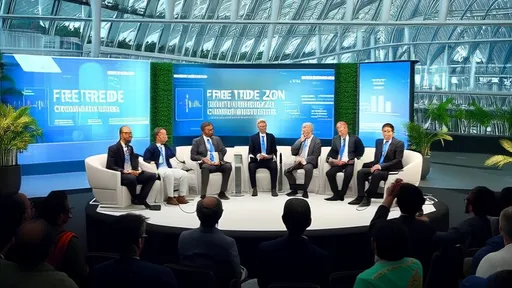
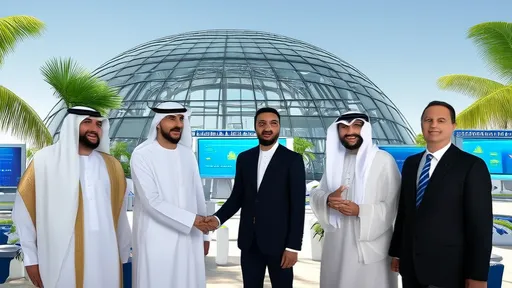
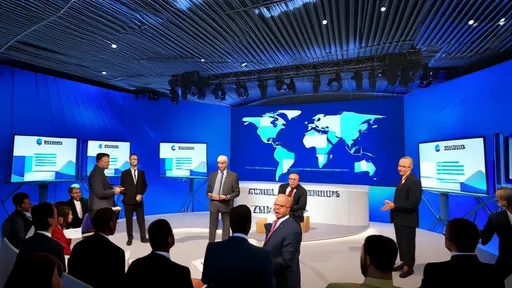
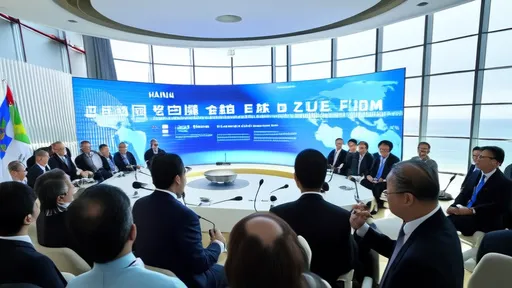
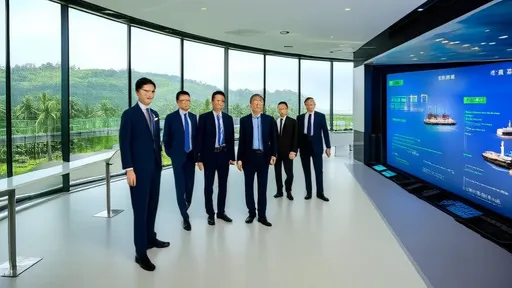
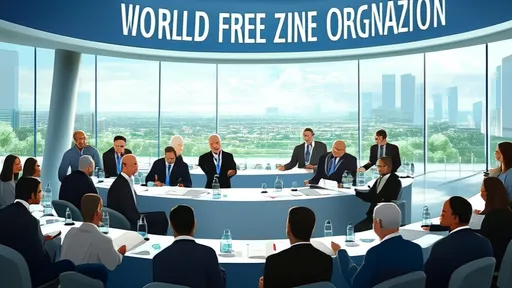
Senior officials from free zone authorities across the United Arab Emirates, Saudi Arabia, and Malaysia gathered in Hainan this week for a landmark conference aimed at fostering cross-border economic collaboration. The high-level meeting, which brought together key decision-makers from some of the world's most successful special economic zones, signals a significant step toward creating new pathways for international trade and investment flows between Asia and the Middle East.
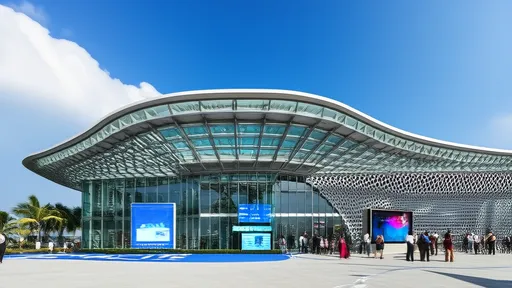
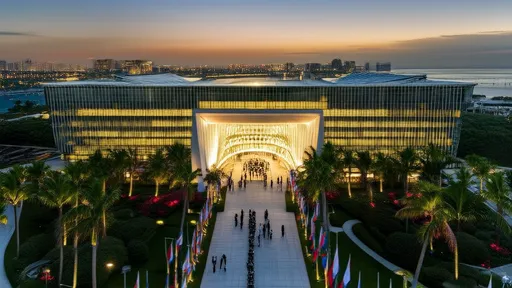
The conference venue buzzed with animated discussions as representatives from Dubai Multi Commodities Centre, Jebel Ali Free Zone, Saudi Arabia's Economic Cities and Special Zones Authority, and Malaysia's Iskandar Regional Development Authority shared insights about their respective operational models. What became immediately apparent was the genuine enthusiasm among participants to learn from each other's experiences and identify concrete areas for mutual cooperation.
His Excellency Ahmed Al Matrooshi, Director General of Jebel Ali Free Zone Authority, emphasized the timing of this collaboration couldn't be more opportune. "We're witnessing a fundamental restructuring of global supply chains and trade corridors," he noted during his keynote address. "The historical ties between the Middle East and Southeast Asia are being rediscovered and reimagined through economic partnerships that extend beyond traditional energy trade. What we're building here are the frameworks for next-generation commercial relationships."
The Malaysian delegation, led by Datuk Ismail Ibrahim, Chief Executive of Iskandar Regional Development Authority, brought valuable perspectives from Southeast Asia's dynamic economic landscape. Having developed one of the region's most successful economic corridors, the Malaysian representatives shared detailed case studies about attracting foreign investment while maintaining sustainable development principles. Their experience in creating specialized clusters for creative industries, educational services, and healthcare facilities drew particular interest from Middle Eastern counterparts looking to diversify their own economic bases.
Saudi Arabia's representation marked a particularly significant development, coming amid the Kingdom's ambitious Vision 2030 transformation program. Dr. Fahad Albrahim, Vice President of Strategic Planning at the Economic Cities and Special Zones Authority, outlined how Saudi Arabia's new special economic zones are designed to position the country as a global investment hub. "Our focus extends beyond traditional free zone models," he explained. "We're creating comprehensive ecosystems that integrate industrial capabilities with research institutions, residential communities, and digital infrastructure. The synergies between our development objectives and Hainan's free trade port initiative present compelling opportunities for knowledge exchange and joint ventures."
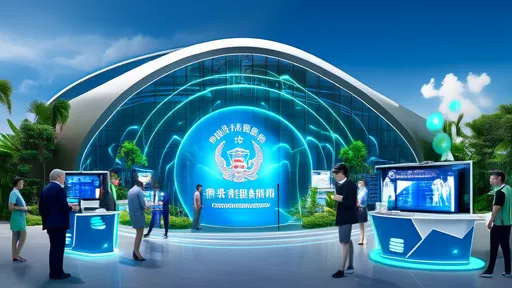
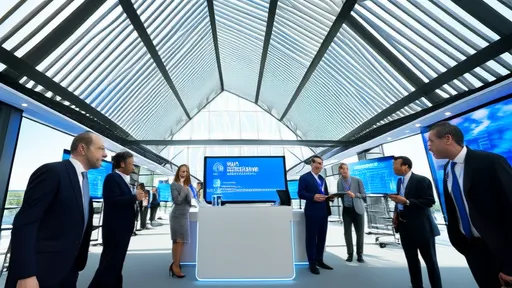
The conference dedicated substantial attention to operational specifics rather than remaining at the conceptual level. Working groups examined practical aspects of customs procedures, regulatory harmonization, and digital integration between free zones. Participants explored mechanisms for creating "digital trade corridors" that would streamline documentation and compliance processes for businesses operating across multiple jurisdictions. The technical depth of these discussions reflected the participants' shared commitment to developing actionable solutions rather than merely issuing diplomatic statements.
Hainan's own transformation into a free trade port provided a compelling case study throughout the proceedings. Chinese officials detailed the province's progressive approach to opening key sectors including financial services, telecommunications, and professional services to foreign participation. The phased reduction of tariffs and the development of special tax policies designed to attract headquarters operations generated considerable interest among international delegates. Many saw parallels between Hainan's ambitious liberalization timeline and their own experiences managing economic transitions.
Beyond formal sessions, the conference facilitated numerous bilateral meetings that yielded specific cooperation agreements. The Dubai Multi Commodities Centre and Hainan Free Trade Port authorities announced a memorandum of understanding focused on developing complementary commodity trading platforms. Meanwhile, representatives from Jebel Ali Free Zone and Yangpu Economic Development Zone explored partnerships in port management and logistics optimization. These concrete outcomes demonstrated the practical business orientation of the gathering.
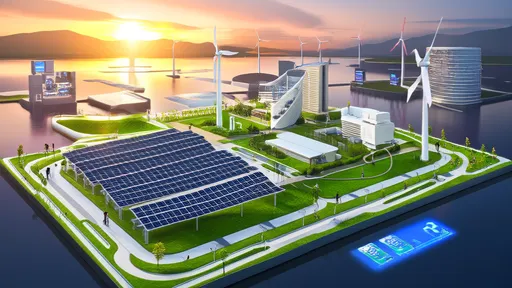
Environmental sustainability emerged as an unexpected but prominent theme throughout the discussions. Participants universally acknowledged that future economic development must balance commercial objectives with ecological considerations. The Malaysian delegation's presentation on green technology integration within Iskandar's industrial parks resonated particularly well, prompting discussions about establishing common environmental standards across participating free zones. This focus on sustainable development reflected the evolving priorities of international investors and the broader global economic landscape.
The conference also addressed the evolving nature of global value chains and how free zones can adapt to changing manufacturing and distribution patterns. With companies increasingly prioritizing supply chain resilience over pure cost minimization, free zone operators discussed strategies for developing more flexible operational models. The integration of advanced technologies like blockchain for trade documentation and artificial intelligence for customs processing featured prominently in these forward-looking conversations.
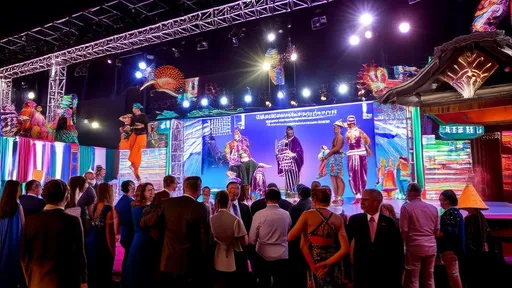
Cultural understanding and people-to-people exchanges formed an important subtext to the economic discussions. Several delegates emphasized that sustainable business relationships require deeper cultural familiarity between operating teams. In response, participants proposed establishing exchange programs for free zone management professionals and creating joint training initiatives focused on cross-cultural business practices. These soft infrastructure elements were recognized as essential complements to the hard infrastructure of ports, warehouses, and industrial facilities.
As the conference concluded, organizers announced plans to institutionalize the gathering as an annual event, with future meetings rotating between participant countries. This commitment to ongoing dialogue reflects the recognition that building deep economic connectivity requires sustained engagement rather than one-off meetings. The establishment of a permanent secretariat to coordinate between-session collaboration further underscored the long-term perspective adopted by all participants.
The Hainan conference represents a significant milestone in economic cooperation between rapidly developing regions that have historically maintained substantial but underexplored commercial relationships. By bringing together practical operators rather than just political figures, the gathering focused on implementable strategies rather than abstract principles. The specific cooperation agreements announced during the event suggest that the impact will extend beyond diplomatic pleasantries to tangible business outcomes.
In an global economic environment characterized by uncertainty and transformation, the collaborative spirit displayed in Hainan offers a constructive model for international economic engagement. The focus on mutual learning, practical problem-solving, and long-term relationship building provides a template that other regions might usefully emulate. As the participants return to their respective countries, the test will be in translating this week's productive discussions into operational reality, but the foundation appears solidly constructed.
By /Oct 10, 2025
By /Oct 10, 2025
By /Oct 10, 2025
By /Oct 10, 2025

By /Oct 10, 2025
By /Oct 10, 2025
By /Oct 10, 2025
By /Oct 10, 2025
By /Oct 10, 2025
By /Oct 10, 2025
By /Oct 10, 2025
By /Oct 10, 2025
By /Oct 10, 2025
By /Oct 10, 2025
By /Oct 10, 2025
By /Oct 10, 2025
By /Oct 10, 2025
By /Oct 10, 2025
By /Oct 10, 2025
By /Oct 10, 2025
