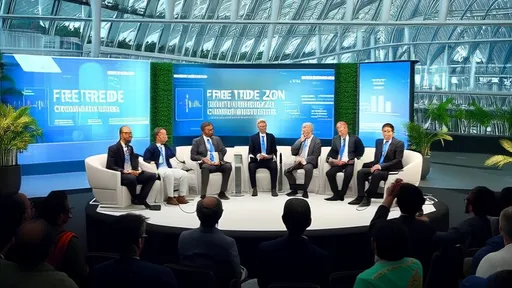
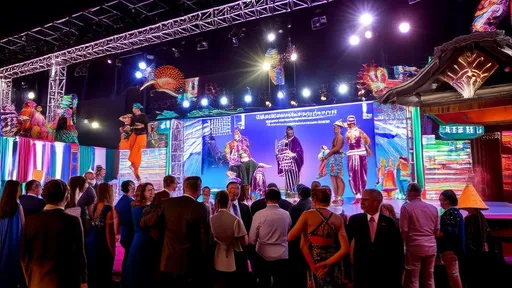
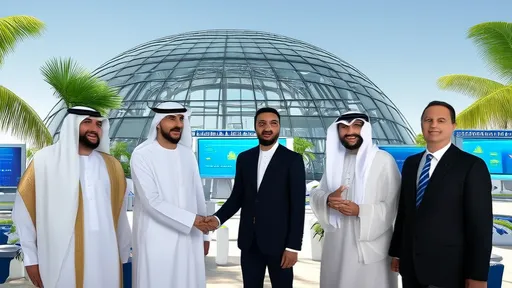
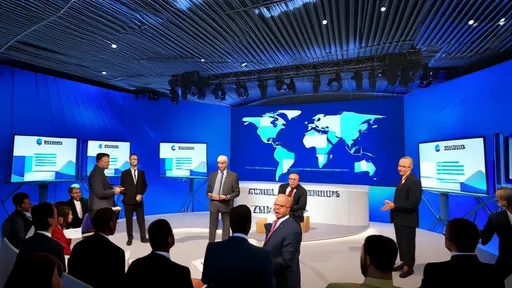
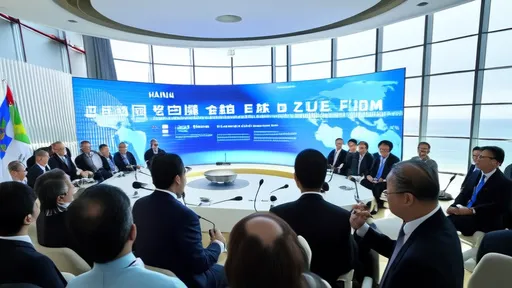
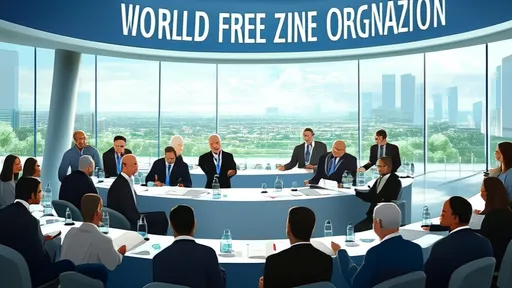
The recent World Free Zones Conference in Dubai witnessed a remarkable debut as the ambitious Regional Integrated Development Project took center stage, capturing the attention of global investors and policymakers alike. This comprehensive initiative represents a paradigm shift in economic development strategies, blending industrial advancement with sustainable practices in a manner rarely seen in traditional special economic zones.
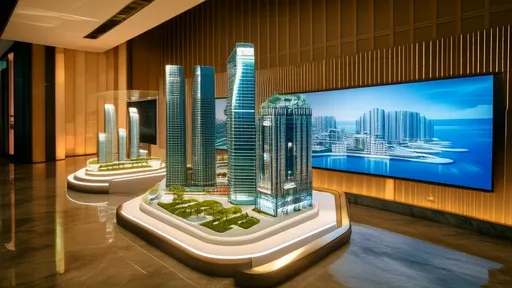
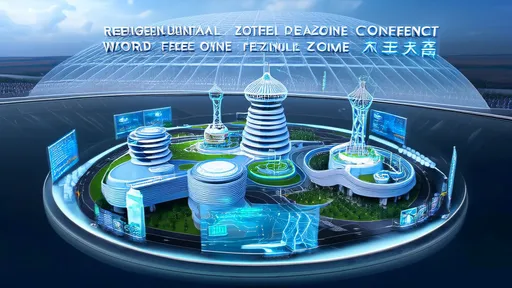
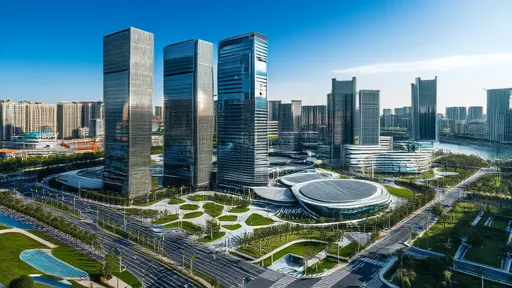
What sets this project apart is its holistic approach to development. Rather than focusing solely on industrial growth, the initiative integrates residential communities, commercial districts, research institutions, and recreational facilities within a carefully planned ecosystem. The project's master plan demonstrates a sophisticated understanding of modern economic requirements, where quality of life and environmental sustainability are no longer afterthoughts but fundamental components of successful development.
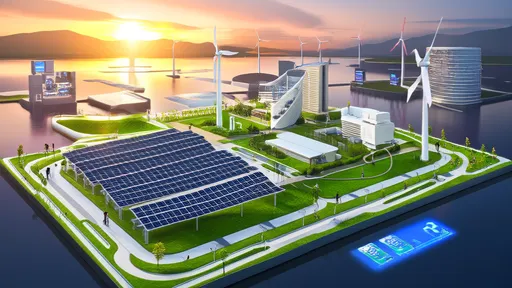
The project's presentation at the conference highlighted several unique value propositions that resonated deeply with international capital representatives. Advanced infrastructure, including state-of-the-art digital connectivity, renewable energy systems, and smart city technologies, forms the backbone of the development. These features address the evolving needs of modern businesses while ensuring long-term operational efficiency and sustainability.
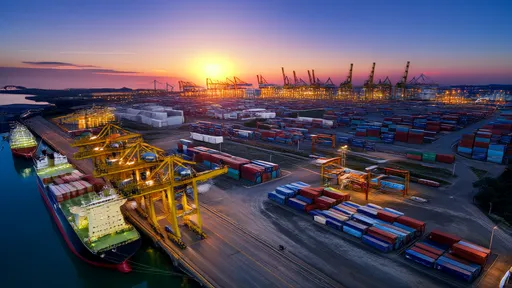
During the conference sessions, project representatives emphasized the strategic location advantages, which include proximity to major transportation hubs, access to skilled labor markets, and connectivity to global supply chains. The development's positioning within established trade corridors provides investors with significant logistical advantages, reducing operational costs and enhancing market accessibility.
International investors expressed particular interest in the project's regulatory framework, which incorporates best practices from successful free zones worldwide while introducing innovative governance models. The streamlined administrative processes, transparent regulatory environment, and investor protection mechanisms were repeatedly cited as key factors in attracting foreign capital. The project's legal framework includes provisions for 100% foreign ownership, full capital repatriation, and tax incentives that align with international standards.
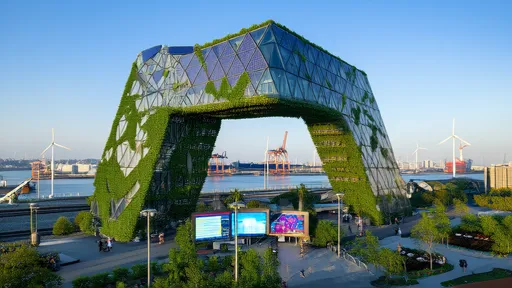
The environmental sustainability aspects of the project generated substantial discussion among conference attendees. The development incorporates green building standards, circular economy principles, and comprehensive environmental management systems. These features not only reduce the ecological footprint but also create operational efficiencies that appeal to environmentally conscious corporations and align with global sustainability trends.
One of the most compelling aspects presented was the project's focus on creating a knowledge-based economy. The development includes dedicated innovation districts, research and development facilities, and partnerships with leading academic institutions. This emphasis on innovation and human capital development addresses the growing demand for high-value economic activities and positions the project as a future-ready investment destination.
The project's phased implementation strategy received positive feedback from financial analysts and investment fund managers attending the conference. The carefully structured development timeline allows for progressive investment opportunities while managing risk through measurable milestones. This approach enables investors to participate at various stages of the project's evolution, from infrastructure development to operational phases.
Conference participants noted the project's timing coincides with significant shifts in global supply chains and investment patterns. The post-pandemic re-evaluation of production and distribution networks, combined with increasing emphasis on regional resilience, creates favorable conditions for well-planned integrated developments. The project's comprehensive nature addresses multiple aspects of this new investment landscape, making it particularly attractive to institutional investors seeking diversified exposure.
The presentation highlighted successful pre-commitments from anchor tenants across multiple sectors, including advanced manufacturing, logistics, technology, and professional services. These early commitments demonstrate market confidence and provide a solid foundation for further investment. The diverse sectoral mix also mitigates concentration risk, enhancing the project's appeal to risk-conscious capital.
Infrastructure development represents a significant component of the project's investment proposition. The planned facilities include multi-modal transportation networks, renewable energy generation capacity, digital infrastructure, and utility systems designed to exceed international standards. These foundational elements ensure operational reliability while future-proofing the development against evolving technological requirements.
Human capital development emerged as another critical factor in attracting international interest. The project includes comprehensive programs for workforce development, skills training, and talent attraction. These initiatives address the crucial need for qualified personnel and create sustainable employment opportunities, contributing to long-term economic viability.
The project's governance structure incorporates international best practices in transparency and accountability. Independent regulatory bodies, clear performance metrics, and regular reporting mechanisms provide investors with confidence in the management and oversight of the development. This governance framework represents a significant advancement over traditional development models.
Market analysis presented during the conference indicated strong growth potential across multiple sectors targeted by the development. The project's strategic focus on emerging industries, including green technology, digital services, and advanced manufacturing, aligns with global economic trends and investment priorities. This forward-looking approach enhances the project's attractiveness to growth-oriented capital.
Risk management strategies formed an important part of the project presentation. Comprehensive risk assessment, mitigation measures, and contingency planning address potential challenges while providing investors with clarity on risk management approaches. The inclusion of environmental, social, and governance criteria in project evaluation further strengthens the risk management framework.
The project's community engagement and social development components received particular attention from impact investors. Initiatives focused on local community development, social infrastructure, and inclusive growth demonstrate a commitment to sustainable development principles. These aspects are increasingly important to international investors who consider social impact alongside financial returns.
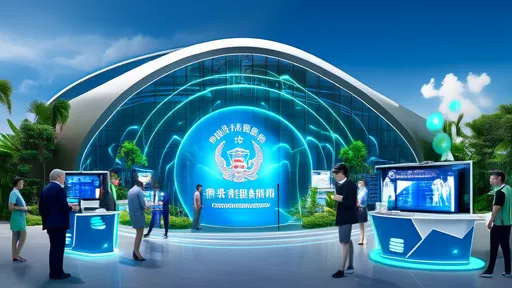
Technology integration throughout the development represents a key differentiator. Smart city technologies, Internet of Things applications, and digital governance systems create an environment conducive to innovation and efficiency. These technological capabilities address the needs of modern businesses while enhancing the quality of life for residents and workers.
The project's scalability and replication potential were discussed as significant advantages. The modular development approach allows for phased expansion and adaptation to changing market conditions. This flexibility enhances the project's long-term viability and provides multiple pathways for future growth and development.
International financial institutions expressed strong interest in supporting the project through various financing mechanisms. The combination of public and private funding, along with innovative financial structures, creates multiple entry points for different types of investors. This diversified financing approach enhances the project's financial stability and broadens its investor appeal.
The conference presentation concluded with a comprehensive overview of implementation timelines, investment opportunities, and expected economic impacts. The detailed planning and preparation evident in the project documentation contributed to the positive reception among international investors and development experts.
The project's debut at the World Free Zones Conference marks a significant milestone in its development journey. The strong interest from international capital sources validates the project's strategic approach and development model. As global investment patterns continue to evolve, integrated developments that combine economic, social, and environmental considerations are increasingly positioned to attract substantial international capital.
The successful presentation at this prestigious international forum establishes the project as a serious contender in the global competition for investment. The comprehensive nature of the development, combined with its strategic positioning and innovative features, creates a compelling proposition for international investors seeking opportunities in dynamic emerging markets.
As the project moves forward with its implementation phases, the connections established and interest generated at the World Free Zones Conference are expected to translate into concrete investment commitments. The project team expressed confidence that the momentum gained from this international exposure will accelerate the development timeline and enhance the project's overall success.
The Regional Integrated Development Project's appearance at the World Free Zones Conference represents more than just another investment opportunity. It signals the evolution of economic development models toward more integrated, sustainable, and comprehensive approaches. As international capital continues to seek promising opportunities, projects that successfully balance economic objectives with social and environmental considerations are likely to attract significant attention and investment.
By /Oct 10, 2025
By /Oct 10, 2025
By /Oct 10, 2025
By /Oct 10, 2025

By /Oct 10, 2025
By /Oct 10, 2025
By /Oct 10, 2025
By /Oct 10, 2025
By /Oct 10, 2025
By /Oct 10, 2025
By /Oct 10, 2025
By /Oct 10, 2025
By /Oct 10, 2025
By /Oct 10, 2025
By /Oct 10, 2025
By /Oct 10, 2025
By /Oct 10, 2025
By /Oct 10, 2025
By /Oct 10, 2025
By /Oct 10, 2025
