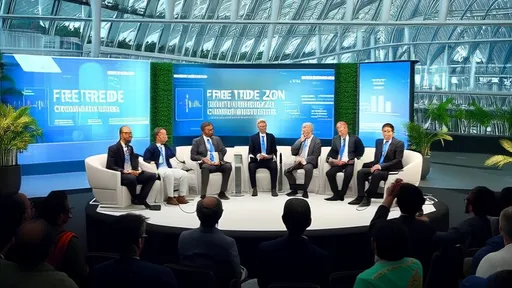
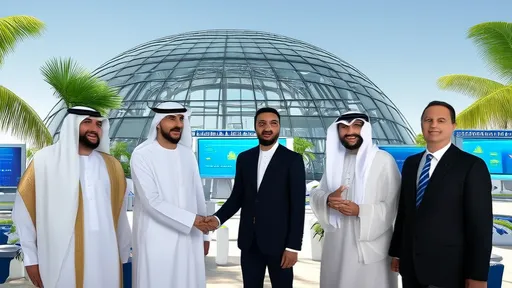
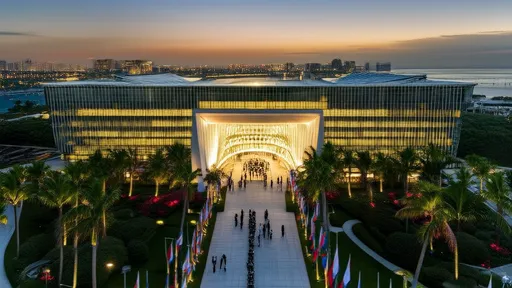
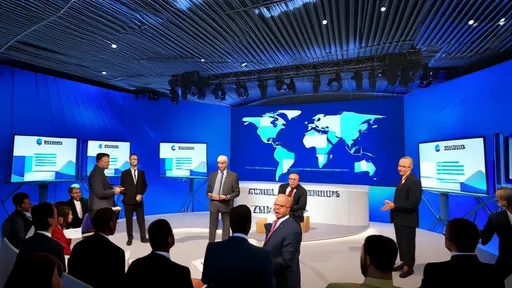
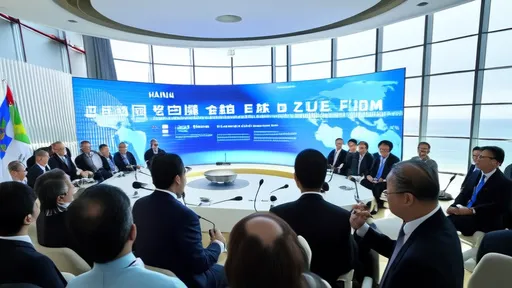
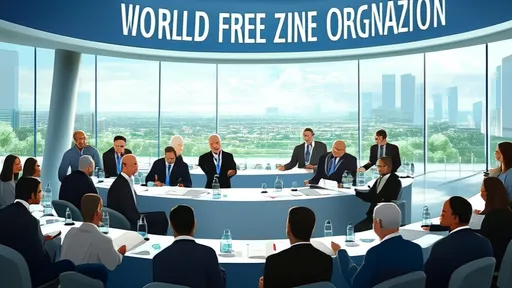
The picturesque shores of Hainan Island recently hosted a landmark gathering of international trade and investment leaders, where representatives from the International Chamber of Commerce (ICC) and the World Association of Investment Promotion Agencies (WAIPA) convened to chart the future course of free zones in an increasingly complex global economic landscape. Against the backdrop of shifting trade patterns and technological transformation, the dialogue revealed both significant challenges and unprecedented opportunities for these specialized economic areas that have long served as engines of global commerce.
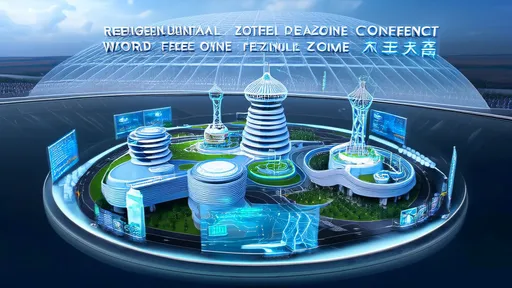
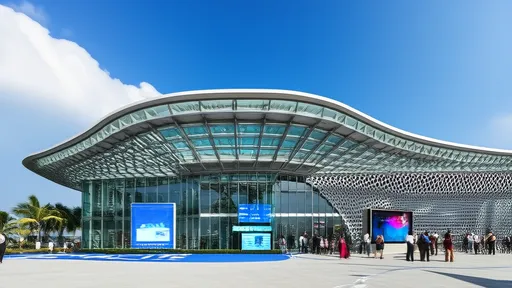
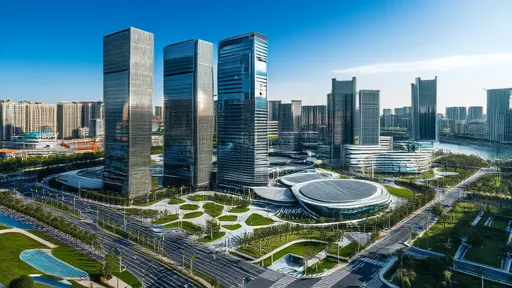
The Hainan Free Trade Port provided a fitting venue for these crucial discussions, serving as both host and case study for the evolution of free zones in the 21st century. Chinese officials opened the forum by highlighting Hainan's ambitious transformation into a high-level free trade port, with particular emphasis on its distinctive tax policies, streamlined customs procedures, and enhanced connectivity with international markets. "What we are building here is not merely another free zone, but a testing ground for next-generation economic policies that balance openness with sustainability, innovation with inclusion," remarked one senior Chinese official during his opening address.
John Denton, Secretary General of the International Chamber of Commerce, set the tone for the discussions by emphasizing the critical role free zones continue to play in facilitating global trade, particularly as protectionist sentiments gain traction in certain economies. "Free zones have historically served as laboratories for trade facilitation and economic innovation," Denton observed. "In today's fragmented global trading system, their role as bridges between markets becomes even more vital." He pointed to data showing that free zones account for approximately 20% of global foreign direct investment and employ millions worldwide, underscoring their continued relevance in the global economic architecture.
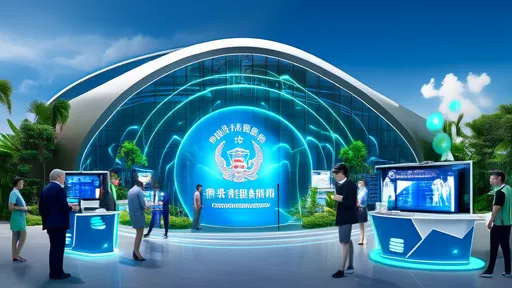
The conversation quickly turned to the digital transformation sweeping through global trade and its implications for free zones. Participants noted that traditional advantages of free zones—such as streamlined customs procedures and tax incentives—are being redefined in an era of digital commerce. "The physical boundaries that once defined free zones are becoming increasingly porous in the digital age," commented one technology sector representative. "The future lies in creating seamless digital ecosystems that extend beyond geographical confines while maintaining the regulatory advantages that make free zones attractive."
Bostjan Skalar, CEO of WAIPA, highlighted the evolving expectations of investors and the consequent need for free zones to adapt. "Modern investors seek more than just tax benefits and infrastructure," Skalar noted. "They're looking for skilled workforces, sustainable operations, digital connectivity, and regulatory certainty. The free zones that will thrive are those that can offer this comprehensive package while maintaining their core advantages." He pointed to successful examples where free zones have transformed into innovation districts, attracting high-value industries through targeted policies and strategic investments in human capital.
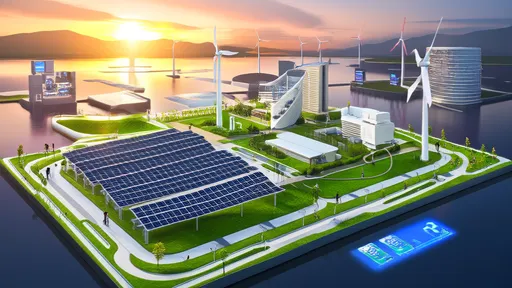
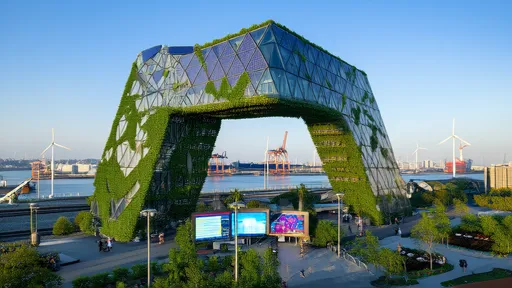
Environmental sustainability emerged as a recurring theme throughout the discussions, with several speakers emphasizing that green transformation is no longer optional for free zones seeking long-term viability. "The global investment community is increasingly applying ESG criteria to their decisions, and free zones must respond to this reality," observed a European investment promotion official. "We're seeing growing demand for zones that prioritize renewable energy, circular economy principles, and low-carbon logistics. This isn't just about corporate responsibility—it's about economic competitiveness in a carbon-conscious world."
The role of free zones in regional development and economic inclusion received significant attention, with several participants from developing economies sharing their experiences. Representatives from African and Southeast Asian nations highlighted how properly designed free zones can serve as catalysts for broader economic transformation, creating spillover effects that benefit surrounding communities. "The challenge lies in ensuring that free zones don't become economic islands," commented a delegate from Kenya. "Through deliberate policies on local sourcing, skills transfer, and infrastructure development, we can create virtuous cycles of development that extend far beyond the zone boundaries."
Discussions also addressed the geopolitical dimensions of free zones at a time of increasing trade tensions and supply chain reevaluation. Some participants expressed concern about the potential for free zones to become arenas for geopolitical competition, while others argued that their neutral, business-focused nature could help maintain trade flows even during political disagreements. "Free zones have historically flourished by staying above the political fray," noted a veteran trade attorney. "Maintaining this tradition of neutrality while navigating today's complex geopolitical landscape represents one of the sector's greatest challenges."
The future regulatory environment for free zones prompted vigorous debate, particularly regarding the balance between facilitation and oversight. While all agreed that streamlined regulations remain a key advantage of free zones, several speakers emphasized the need for robust frameworks to prevent financial crimes and ensure fair competition. "The perception of free zones as lightly regulated spaces can be a double-edged sword," cautioned a representative from the financial sector. "To maintain credibility and attract quality investment, free zones must demonstrate that they're not just free, but also fair and transparent."
Looking ahead, participants identified several emerging trends likely to shape the next generation of free zones. These include the rise of specialized zones focused on specific industries like pharmaceuticals, renewable energy, and digital services; the integration of advanced technologies such as blockchain for customs administration and supply chain management; and the growing importance of services and intellectual property alongside traditional goods manufacturing. "The free zone of tomorrow may look very different from what we're accustomed to," predicted one futurist consultant. "We're moving toward more networked, specialized, and digitally integrated models that serve specific value chains rather than offering one-size-fits-all solutions."
The Hainan forum concluded with a shared recognition that free zones stand at a pivotal moment in their evolution. While the fundamental value proposition of these specialized economic areas remains strong, their future success will depend on their ability to adapt to new technological realities, sustainability imperatives, and changing global trade patterns. As participants departed, many expressed optimism about the role free zones can play in building more resilient, inclusive, and sustainable economic connections across borders—provided they embrace innovation while staying true to their core mission of facilitating international trade and investment.
The dialogue in Hainan represents just the beginning of a broader conversation about the future of these important economic instruments. As the ICC and WAIPA continue their collaboration, further research, policy development, and knowledge sharing are expected to help free zones navigate the challenges and opportunities of the coming decades. What remains clear is that these specialized economic areas, if properly adapted and managed, will continue to serve as vital nodes in the complex network of global commerce for years to come.
By /Oct 10, 2025
By /Oct 10, 2025
By /Oct 10, 2025
By /Oct 10, 2025

By /Oct 10, 2025
By /Oct 10, 2025
By /Oct 10, 2025

By /Oct 10, 2025
By /Oct 10, 2025
By /Oct 10, 2025
By /Oct 10, 2025
By /Oct 10, 2025
By /Oct 10, 2025
By /Oct 10, 2025
By /Oct 10, 2025
By /Oct 10, 2025
By /Oct 10, 2025
By /Oct 10, 2025
By /Oct 10, 2025
By /Oct 10, 2025
