Special Parallel Session of the Free Trade Zone Conference Explores Trade Interconnectivity and Sustainable Development

Oct 10, 2025 By

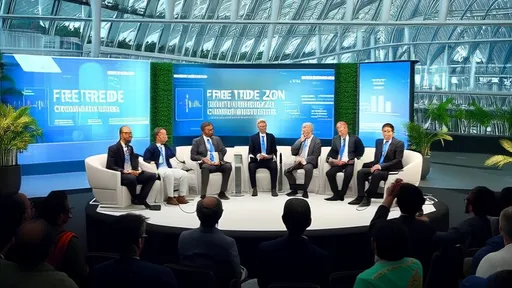
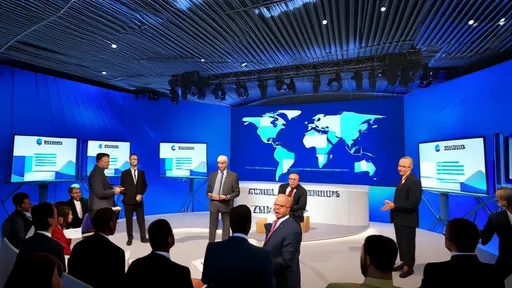
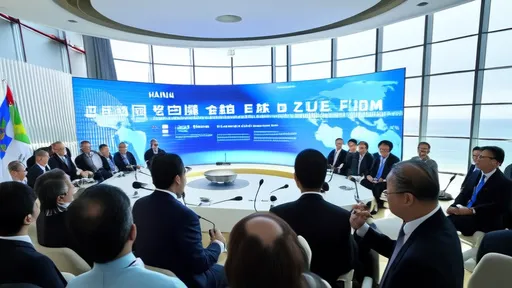
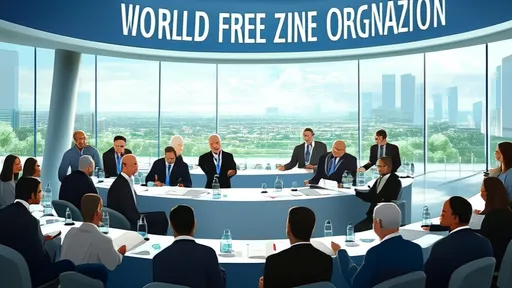
The Free Zones Congress convened its annual parallel session this week, bringing together policymakers, industry leaders, and sustainability experts to examine the evolving relationship between global trade connectivity and sustainable development. Against a backdrop of increasing climate concerns and supply chain disruptions, the discussions revealed a fundamental shift in how international trade corridors are being reimagined for the 21st century.


Opening the session, Dr. Elena Martinez, Chair of the International Trade and Sustainability Council, set the tone by emphasizing that the traditional dichotomy between economic growth and environmental protection is no longer tenable. "We stand at a critical juncture where trade infrastructure must serve dual purposes: facilitating efficient movement of goods while actively contributing to environmental regeneration," she stated, receiving nods of agreement from delegates representing over forty countries.


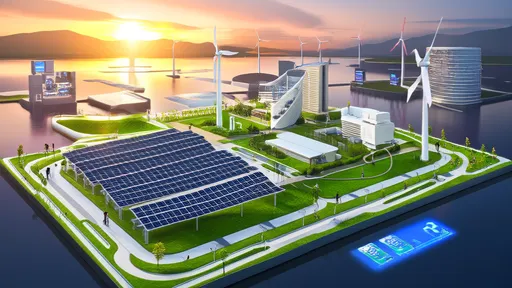
The first panel explored how free zones are transforming from mere tax-advantaged enclaves into hubs of sustainable innovation. Singapore's Jurong Port Free Zone emerged as a case study in this transformation, having implemented a comprehensive solar energy network that not only powers its own operations but supplies clean electricity to adjacent communities. "What began as an operational efficiency measure has become a core component of our value proposition," shared CEO Michael Tan. "Companies now choose locations based not just on fiscal benefits, but on sustainability credentials."


Another compelling example came from the Rotterdam Sustainable Manufacturing Zone, where a closed-loop water system has reduced freshwater consumption by eighty percent while creating new business opportunities in water recycling technology. The zone's director, Ingrid van der Berg, noted that sustainability investments are increasingly viewed as competitive advantages rather than compliance costs. "Our member companies report that their green manufacturing processes have become unique selling points in international tenders," she observed.


Digitalization emerged as a recurring theme throughout the discussions, with multiple speakers highlighting how technology is enabling both greater connectivity and reduced environmental impact. The implementation of blockchain for supply chain transparency, IoT sensors for energy optimization, and AI-driven logistics planning were cited as examples of how digital tools are creating smarter, more efficient trade corridors. "We're moving beyond paperless trade to what I call 'conscious trade' - systems that are not just efficient but intentionally designed to minimize ecological footprints," commented technology strategist David Chen.


The conversation took an interesting turn when representatives from developing economies shared their perspectives. While acknowledging the importance of sustainability, they emphasized the need for balanced approaches that don't stifle economic development. "Our free zones must create jobs and generate revenue while building sustainable infrastructure," argued Kenya's Trade Minister Aisha Okoth. "This requires international support and technology transfer, not just expectations." Her comments sparked a broader discussion about global equity in the sustainability transition, with several European delegates pledging increased support for green technology sharing.


Infrastructure development formed another critical discussion thread, with particular focus on how transportation networks are being reengineered for sustainability. The Northern German Green Corridor initiative illustrates this trend, combining electric truck charging stations with hydrogen refueling facilities along major transport routes connecting free zones. "We're creating an ecosystem where clean transportation becomes the obvious choice, not a compromise," explained project lead Klaus Richter. Early results show a thirty percent reduction in emissions from corridor traffic despite increased trade volumes.


Perhaps the most forward-looking session examined the concept of "circular free zones" - industrial areas designed around waste-free principles where one company's byproducts become another's raw materials. The Kalundborg Symbiosis in Denmark, though not technically a free zone, served as inspiration for several speakers. "Imagine applying these principles to special economic zones globally," proposed circular economy expert Maria Santos. "We could transform trade from an extractive linear process to a regenerative circular system."


Financing these transitions emerged as a significant challenge, though innovative solutions are emerging. Green bonds specifically for trade infrastructure, sustainability-linked loans with interest rates tied to environmental performance, and public-private partnerships were all discussed as mechanisms to fund the necessary transformations. "The capital exists - what we need are bankable projects with clear sustainability metrics," asserted investment banker James Fitzgerald, pointing to growing investor appetite for infrastructure projects with strong ESG credentials.


Workforce development received considerable attention, with multiple speakers emphasizing that the transition to sustainable trade requires new skills and training programs. The Middle East's several free zones have launched joint initiatives to train workers in green technologies, while European zones are collaborating with technical institutes to develop specialized sustainability curricula. "We're not just rebuilding infrastructure - we're rebuilding human capital for a new era of trade," noted education specialist Fatima Al-Jaber.


The final session tackled policy frameworks and international cooperation. While individual free zones can make progress, speakers agreed that truly transformative change requires coordinated action. The potential for "green trade agreements" with sustainability standards, mutual recognition of environmental certifications, and harmonized carbon accounting methods were all proposed as areas for international collaboration. "We have the opportunity to create a new global consensus on what constitutes responsible trade," concluded Dr. Martinez in her closing remarks. "The work happening in free zones today could define global standards tomorrow."


As delegates departed, the prevailing sentiment was one of cautious optimism. The challenges are significant - from financing gaps to technological hurdles to political will - but the direction of travel appears clear. Trade connectivity and sustainability, once seen as competing priorities, are increasingly recognized as mutually reinforcing objectives. The free zones leading this integration are not only future-proofing their operations but potentially charting a course for the global economy.


The conversations at this year's parallel session suggest that we may be witnessing the early stages of a fundamental reimagining of international trade's role in our collective future. As one delegate aptly summarized: "We're moving from free trade zones to future-proof zones." The transformation will require sustained effort and international cooperation, but the foundation is being laid for a trading system that connects markets while healing the planet.


Recommend Posts
Business

Hainan Central Project and Mingzhu Island Project Showcased Globally at Free Trade Zone Conference

By /Oct 10, 2025

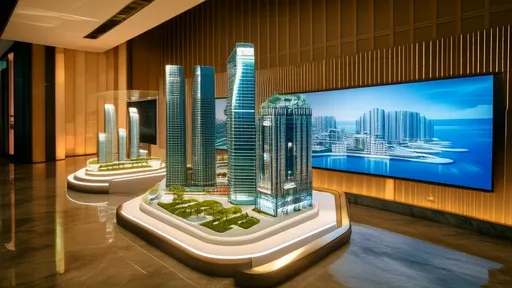
Against the backdrop of a rapidly evolving global economic landscape, the Hainan Center Project and Pearl Island Project have emerged as twin pillars of international investment opportunity, capturing the world's attention during a landmark session at the Free Zone Congress. The presentation, delivered to a global audience of investors, policymakers, and industry titans, was not merely a project briefing but a strategic declaration of a new era for integrated development zones.
Business

Special Parallel Session of the Free Trade Zone Conference Explores Trade Interconnectivity and Sustainable Development

By /Oct 10, 2025

The Free Zones Congress convened its annual parallel session this week, bringing together policymakers, industry leaders, and sustainability experts to examine the evolving relationship between global trade connectivity and sustainable development. Against a backdrop of increasing climate concerns and supply chain disruptions, the discussions revealed a fundamental shift in how international trade corridors are being reimagined for the 21st century.
Business

Mohammed Al Zarooni: Free Zones are Key Gateways to Global Prosperity and Trade

By /Oct 10, 2025

In the bustling landscape of global commerce, free zones have emerged as pivotal gateways to prosperity and trade, a perspective powerfully articulated by Mohammed Al Zarooni, a leading voice in the economic development sphere. These specialized economic areas, carved out within national borders but operating under distinct regulatory and customs frameworks, are far more than mere logistical hubs. They are dynamic ecosystems engineered to foster international business, attract foreign direct investment, and accelerate industrial growth. Al Zarooni’s vision positions these zones not as isolated enclaves but as integrated nerve centers that connect local economies to the pulsating heart of global supply chains, making them indispensable in the modern era of interconnected markets.
Business

Global Free Zones Contribute Nearly 20% of Trade and Create Over 90 Million Jobs

By /Oct 10, 2025

In the intricate tapestry of global commerce, a distinct and powerful thread weaves through economies, accounting for nearly a fifth of all trade and supporting the livelihoods of millions. Special Economic Zones (SEZs), free ports, and other designated free trade areas have evolved from niche economic experiments into cornerstones of international trade and development. These enclaves of economic activity, operating under unique regulatory and customs frameworks, are not merely facilitators of trade; they are dynamic engines of growth, innovation, and, most critically, employment.
Business

Case Sharing and Roundtable Dialogue: World Free Zone Conference Discusses Inclusive Growth

By /Oct 10, 2025

The recent World Free Zones Conference unfolded as a testament to the evolving role of special economic zones in the global landscape. No longer mere enclaves for tax-efficient manufacturing and trade, these zones are being reimagined as catalysts for a more equitable and sustainable form of economic progress. The central theme of inclusive growth resonated through every case study and roundtable discussion, signaling a paradigm shift from isolated prosperity to integrated development.
Business

Launch of the Sustainable Free Zone Certification Program to Promote Global Green Transformation of Free Zones

By /Oct 10, 2025

The global economic landscape witnessed a transformative moment this week with the official launch of the Sustainable Free Zone Certification Programme, a landmark initiative poised to redefine the environmental and social footprint of special economic zones worldwide. Spearheaded by a coalition of international trade bodies, environmental organizations, and leading free zone authorities, the programme establishes the first globally recognized standard for sustainability within these critical hubs of commerce and industry. For decades, free zones have been celebrated as engines of economic growth, offering businesses streamlined regulations, tax incentives, and logistical advantages. However, their concentrated industrial activity has often come with a significant environmental cost, from high energy consumption and carbon emissions to resource depletion and waste management challenges. This new certification scheme aims to pivot this narrative, transforming free zones from potential ecological liabilities into beacons of green innovation and responsible practice.
Business

Project Promotion and Cultural Social Activities Enrich the World Free Zone Conference Experience

By /Oct 10, 2025

The World Free Zones Organization annual conference has long been recognized as the premier gathering for special economic zone professionals, but this year's edition promises to transcend traditional boundaries by integrating project showcases and cultural networking into its core programming. The evolution from a purely academic and policy-focused event to a multidimensional experience reflects the changing nature of global trade and investment landscapes.
Business

Haitong Duty-Free Riyue Plaza Store Showcases Hainan's Consumer Market to Global Free Zone Guests

By /Oct 10, 2025

Against the backdrop of China's rapidly evolving retail landscape, Hainan has emerged as a focal point for international attention. The recent showcase event at Hainan Control Duty Free's Sun and Moon Plaza store offered global free zone delegates an unprecedented glimpse into the island's thriving consumer market. As dusk settled over Haikou, the gleaming facade of the shopping complex welcomed distinguished guests from economic zones spanning five continents, marking a significant moment in Hainan's journey toward becoming an international tourism and consumption hub.
Business

Hainan Showcases Chinese Experience as a Global Free Trade Zone Model at World Free Zones Organization Conference

By /Oct 10, 2025

Against the backdrop of the South China Sea's shimmering waters, Hainan stands as a testament to China's ambitious economic transformation. The tropical island, once primarily known for its tourist attractions, has now emerged as a global benchmark for free trade zones, drawing international attention at the recent World Free Zones Organization (World FZO) conference. The event served as a platform to showcase China's distinctive approach to economic liberalization, offering valuable insights into how developing economies can leverage special economic zones for sustainable growth.
Business

UAE, Saudi Arabia, Malaysia, and Other Countries' Free Zone Authorities Participate in Hainan Conference

By /Oct 10, 2025

Senior officials from free zone authorities across the United Arab Emirates, Saudi Arabia, and Malaysia gathered in Hainan this week for a landmark conference aimed at fostering cross-border economic collaboration. The high-level meeting, which brought together key decision-makers from some of the world's most successful special economic zones, signals a significant step toward creating new pathways for international trade and investment flows between Asia and the Middle East.
Business

Regional Integrated Development Project Makes Waves at World Free Zones Conference

By /Oct 10, 2025

The recent World Free Zones Conference in Dubai witnessed a remarkable debut as the ambitious Regional Integrated Development Project took center stage, capturing the attention of global investors and policymakers alike. This comprehensive initiative represents a paradigm shift in economic development strategies, blending industrial advancement with sustainable practices in a manner rarely seen in traditional special economic zones.
Business

Hainan Pavilion Established at the Free Trade Zone Conference to Showcase Hainan Free Trade Port Policies and Consumer Expo

By /Oct 10, 2025

The Free Zones Congress, the world's most influential gathering for special economic zones, has announced the establishment of a dedicated Hainan Pavilion at its upcoming annual conference. This landmark decision marks the first time the Chinese island province will have a systematic platform to present its ambitious Free Trade Port (FTP) policies to a global audience of zone operators, investors, and policymakers. The pavilion is strategically timed to create a powerful synergy with the China International Consumer Products Expo (CICPE), Hainan's flagship international trade fair, weaving a compelling narrative of open markets, investment potential, and consumer opportunity.
Business

Hainan South China Sea Web reports: All preparations for the World Free Zone Conference are in place.

By /Oct 10, 2025

The stage is set for the upcoming World Free Zones Conference as final preparations have been successfully completed according to the latest reports from Hainan South China Sea Network. The international event, scheduled to take place in the coming weeks, promises to bring together global leaders, economic experts, and industry pioneers for what organizers are calling a landmark gathering in the world of international trade and economic development.
Business

Global 3500 Free Zones Discuss: How to Foster Entrepreneurship and Support SMEs

By /Oct 10, 2025

In a world where economic landscapes shift with the velocity of digital transformation, the cultivation of entrepreneurship and the empowerment of small and medium-sized enterprises (SMEs) have emerged as critical pillars for sustainable development. Drawing insights from the collective wisdom of 3,500 free zones globally, a new paradigm is taking shape—one that moves beyond traditional incentives and redefines the very ecosystem in which businesses are born and nurtured. These zones, once primarily seen as tax havens or logistical hubs, are now evolving into dynamic laboratories for innovation, where the spirit of enterprise is not merely welcomed but actively cultivated.
Business

Haikou Daying Mountain CBD and Jiangdong Plaza Projects Seek International Investors

By /Oct 10, 2025

The tropical city of Haikou, capital of China's Hainan Province, is making strategic moves to position itself as a premier international business destination. At the heart of this ambitious transformation are two landmark developments: the Haikou Dayingshan Central Business District (CBD) and the Jiangdong New Area Plaza project. These are not merely construction initiatives; they represent a profound shift in the city's economic paradigm, a deliberate pivot towards creating a world-class hub for finance, trade, and innovation. The local government, in a bold and forward-thinking strategy, is now actively courting international investors to become partners in this monumental urban and economic renaissance.
Business

Gateway to Global Prosperity, Trade, and Sustainable Innovation

By /Oct 10, 2025

The World Free Zones Congress has long served as a critical nexus for global economic dialogue, but this year's gathering carries a renewed sense of urgency and possibility. Under the resonant theme of "Gateways to Global Prosperity, Trade, and Sustainable Innovation," the assembly transcends its traditional role as a forum for trade specialists. It has evolved into a strategic convocation addressing the most pressing challenges and opportunities of our interconnected age. The corridors of the conference venue hum with conversations that blend commercial ambition with ecological responsibility, signaling a profound shift in how the world perceives the function and future of free zones.
Business

Global Leaders Discuss Future of Free Zones at Hainan Forum

By /Oct 10, 2025

The picturesque shores of Hainan Island recently hosted a landmark gathering of international trade and investment leaders, where representatives from the International Chamber of Commerce (ICC) and the World Association of Investment Promotion Agencies (WAIPA) convened to chart the future course of free zones in an increasingly complex global economic landscape. Against the backdrop of shifting trade patterns and technological transformation, the dialogue revealed both significant challenges and unprecedented opportunities for these specialized economic areas that have long served as engines of global commerce.
Business

Hainan Invites Free Trade Zone Conference Guests for On-site Inspection to Deepen Investment Cooperation Intentions

By /Oct 10, 2025

Senior executives from multinational corporations gathered in Hainan this week for an exclusive investment familiarization tour, marking a significant step in the province's strategy to position itself as a global free trade hub. The carefully curated itinerary showcased Hainan's unique advantages and operational readiness to host international businesses seeking access to China's vast consumer market and the broader Asian region.
Business

World Free Zone Organization Conference Forges a Key Engine for Global Progress

By /Oct 10, 2025

The annual World Free Zones Organization conference has once again positioned itself as a critical catalyst for global economic advancement, bringing together policymakers, industry leaders, and economic strategists from across the world. Against the backdrop of ongoing geopolitical tensions and supply chain disruptions, this year's gathering carries particular significance as nations seek resilient pathways toward sustainable development.
Business

Knowledge Exchange and Partnership: The Core Values of the World Free Zones Conference

By /Oct 10, 2025

In the intricate tapestry of global trade and economic development, the World Free Zones Conference has emerged as a pivotal annual gathering, a nexus where the future of special economic zones is debated, shaped, and propelled forward. While the agenda is often packed with discussions on regulatory frameworks, technological innovation, and investment opportunities, those who have attended consistently point to a deeper, more fundamental driver of the event's success: its unwavering commitment to knowledge exchange and partnership. These are not merely ancillary benefits or marketing slogans; they form the very bedrock upon which the conference is built, the invisible currency that fuels progress and forges lasting impact far beyond the closing ceremony.