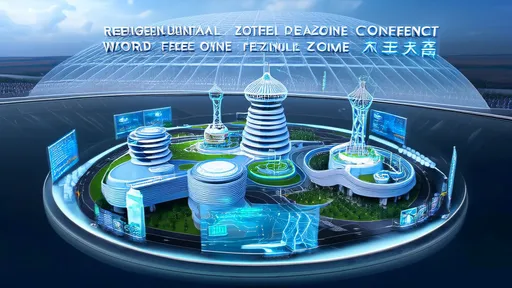
In the intricate tapestry of global trade and economic development, the World Free Zones Conference has emerged as a pivotal annual gathering, a nexus where the future of special economic zones is debated, shaped, and propelled forward. While the agenda is often packed with discussions on regulatory frameworks, technological innovation, and investment opportunities, those who have attended consistently point to a deeper, more fundamental driver of the event's success: its unwavering commitment to knowledge exchange and partnership. These are not merely ancillary benefits or marketing slogans; they form the very bedrock upon which the conference is built, the invisible currency that fuels progress and forges lasting impact far beyond the closing ceremony.
The concept of a free zone, at its heart, is an experiment in concentrated economic potential. By creating geographically bounded areas with distinct regulatory, tax, and customs regimes, governments aim to attract investment, spur industrialization, and integrate into global value chains. However, the challenges these zones face are as diverse as the countries they operate in. From navigating the complexities of international compliance and supply chain logistics to adopting sustainable practices and digital transformation, the path to success is fraught with obstacles that no single entity can overcome alone. It is within this context that the World Free Zones Conference transforms from a simple forum into an indispensable ecosystem.
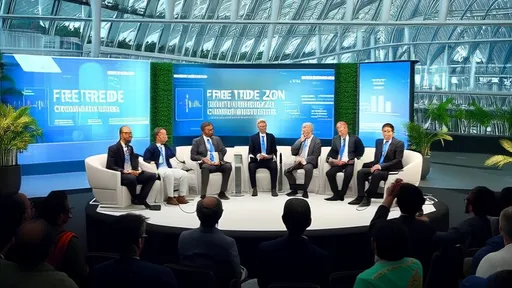
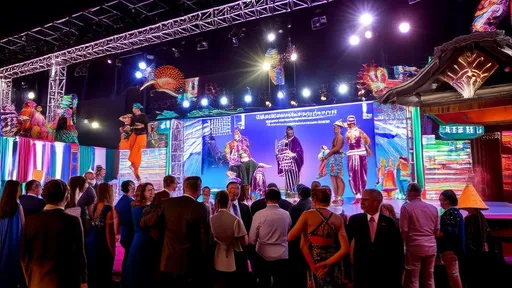
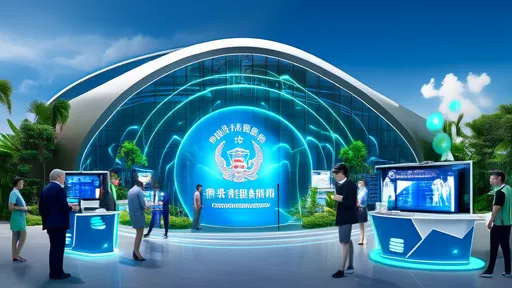
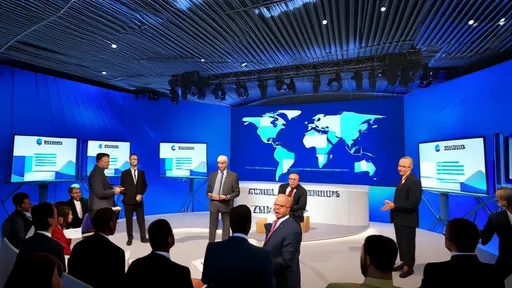
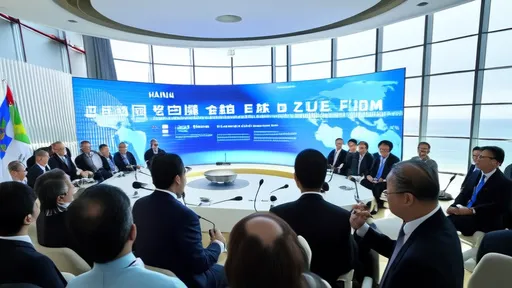
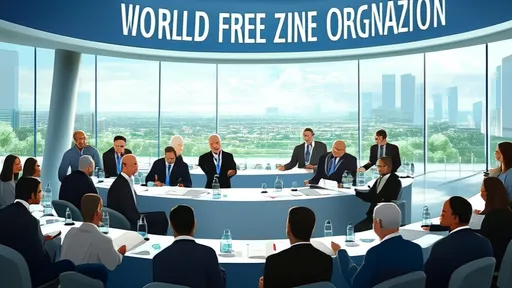
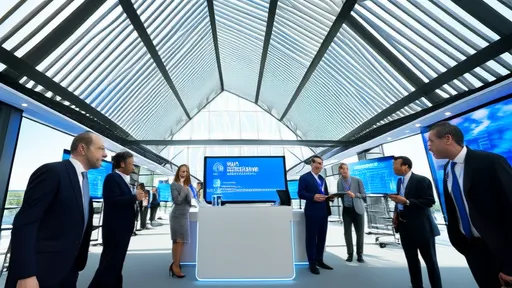
The atmosphere on the conference floor is one of purposeful collaboration. The traditional dynamic of speaker and audience is deliberately broken down. A CEO from a major manufacturing free zone in Southeast Asia might find herself in a deep conversation with a customs official from a nascent zone in West Africa, exchanging hard-won lessons on streamlining border procedures. A technology provider demonstrating a new blockchain solution for logistics is challenged and refined through questions from a port authority director from the Middle East. These are not staged interactions; they are the organic, serendipitous meetings that the conference's structure actively encourages. The value lies not just in the formal presentations, but in the coffee break conversations, the shared lunch tables, and the follow-up emails sent weeks later.
This culture of open knowledge exchange is the engine of innovation for the free zone community. In an industry where operational models can become quickly outdated by geopolitical shifts or technological disruptions, the ability to learn from peers is a critical competitive advantage. The conference facilitates a multi-directional flow of information. Established free zones from Europe and North America share their experiences with maturity, including how to pivot towards high-value services and innovation clusters. Meanwhile, rapidly growing zones in Asia and Latin America provide fresh perspectives on scalability, agility, and attracting foreign direct investment in a crowded marketplace. African free zones, often focusing on regional integration and commodity-based industrialization, contribute unique insights into building resilient local supply chains. This is a true global dialogue, where knowledge is not hoarded but multiplied.
Partnership is the natural and essential counterpart to knowledge exchange. The conference acts as a massive, high-efficiency matchmaking platform. It is where memoranda of understanding are signed, joint venture discussions are initiated, and strategic alliances are born. The partnerships forged here are multifaceted. They can be horizontal, between free zones themselves, leading to collaborations that create "virtual" corridors for trade, harmonize standards, and present a united front to international investors. They can also be vertical, connecting free zone authorities with the crucial ecosystem players they need to thrive: logistics giants, financial institutions, legal firms specializing in international trade, and technology innovators.
Perhaps the most significant partnerships are those that bridge the public and private sectors. The conference provides a neutral ground where government policymakers can engage directly with the businesses that operate within free zones. This direct feedback loop is invaluable. Businesses can articulate the real-world impact of regulations, while policymakers can explain the strategic intent behind new policies, leading to more effective and pragmatic governance. This collaborative spirit helps to move beyond the traditional adversarial relationship and towards a shared vision of economic growth and job creation.
Furthermore, the commitment to partnership extends to building the human capital required to sustain these economic engines. Many conferences include dedicated workshops, training sessions, and academic symposiums focused on developing the next generation of free zone leaders. By partnering with universities, research institutions, and international organizations like the World Bank or UNCTAD, the conference ensures that the knowledge being exchanged is not only contemporary but also grounded in rigorous research and best practices. This investment in people ensures the long-term vitality and adaptability of the free zone model itself.
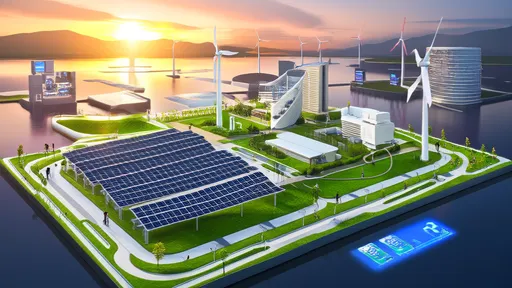
The core values of knowledge and partnership are also the key to addressing the most pressing challenges of our time. The global push for sustainability is a prime example. No single free zone can solve the puzzle of decarbonizing its operations alone. Through the conference, zones leading in green initiatives—perhaps by implementing solar power microgrids or circular economy models—can share their blueprints and lessons learned with others. This accelerates the entire sector's transition towards environmental stewardship. Similarly, in an era defined by digitalization and the threat of cyber-attacks, collaborative knowledge-sharing about cybersecurity protocols and smart infrastructure is not just beneficial; it is a matter of operational survival.
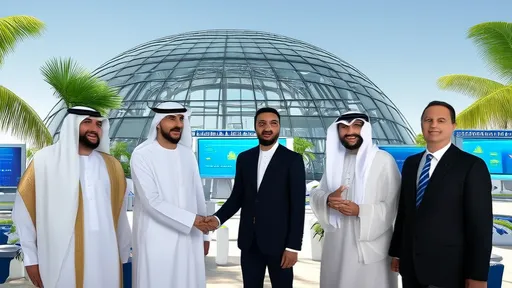
In conclusion, to view the World Free Zones Conference solely through the lens of its formal agenda would be to miss its most profound significance. It is, at its core, a living community bound by a shared belief in the power of collective intelligence and collaborative action. The speeches and reports provide the framework, but the true magic happens in the interactions between people—the shared challenges, the offered solutions, and the handshakes that seal a new partnership. In a world that often feels increasingly fragmented, the conference stands as a powerful testament to the idea that our greatest economic and developmental challenges can only be met through open exchange and unwavering partnership. It is here that the future of global trade is not just discussed, but actively built, connection by connection.

By /Oct 10, 2025
By /Oct 10, 2025
By /Oct 10, 2025
By /Oct 10, 2025

By /Oct 10, 2025
By /Oct 10, 2025
By /Oct 10, 2025
By /Oct 10, 2025
By /Oct 10, 2025
By /Oct 10, 2025
By /Oct 10, 2025
By /Oct 10, 2025
By /Oct 10, 2025
By /Oct 10, 2025
By /Oct 10, 2025
By /Oct 10, 2025
By /Oct 10, 2025
By /Oct 10, 2025
By /Oct 10, 2025
By /Oct 10, 2025
